

Ownership decisions break into a fixed sequence: what to buy, how to pay for it, how to insure it, how to maintain it, when to repair versus replace, and when to sell. Each choice constrains the ones after it, and most expensive mistakes come from making a later decision before an earlier one is settled. The single most useful habit is to work the decisions in order and to know which ones are reversible — financing and insurance can be undone, but a model year, a drivetrain, and a repair history cannot.
Choosing the car: match the vehicle to the duty cycle first
Start with the driving you actually do, not the driving you imagine. A commute that never exceeds surface-street speeds and a weekly long highway run put completely different demands on a car, and the difference shows up in fuel cost, tire wear, and how long the drivetrain lasts. Write down the weekly pattern for a month — total miles, longest single trip, how often you carry passengers or cargo, whether you regularly park on a street or in a garage. That pattern eliminates whole categories before you ever look at a listing.
From there, the honest trade-offs are size, drivetrain, and age. A larger vehicle buys interior space and towing capacity at the cost of fuel economy, tire cost, and parking difficulty. All-wheel drive helps in snow and loose surfaces but adds a differential, a transfer case on some designs, and more tires to replace as a matched set. Buying older gets you a lower price and a higher chance of deferred maintenance; buying newer gets you a warranty and a steeper depreciation curve in the first years of ownership.
Two specification details are worth checking on any car before you commit, because they determine what you will be buying for years afterward. The first is the tire size designation — the manufacturer's recommended tire size shown on the vehicle placard required by FMVSS No. 110. That placard is the label required on light vehicles that shows critical tire information, including recommended inflation pressure and tire size designation. An unusual size means fewer tire choices and higher prices at every replacement; a common size means competition and cheaper rubber. The second is the recommended inflation pressure, measured in pounds per square inch (psi) and listed on that same placard or in the owner's manual. Low-profile tires on large wheels look good and cost more to replace and are easier to damage on potholes.
What this approach costs: time before you buy, and the discipline to walk away from a car that fits your taste but not your pattern. It is the wrong method if you are buying a weekend toy or a project car, where the point is the machine, not the duty cycle.
New, used, or leased: the financing decision comes before the shopping decision
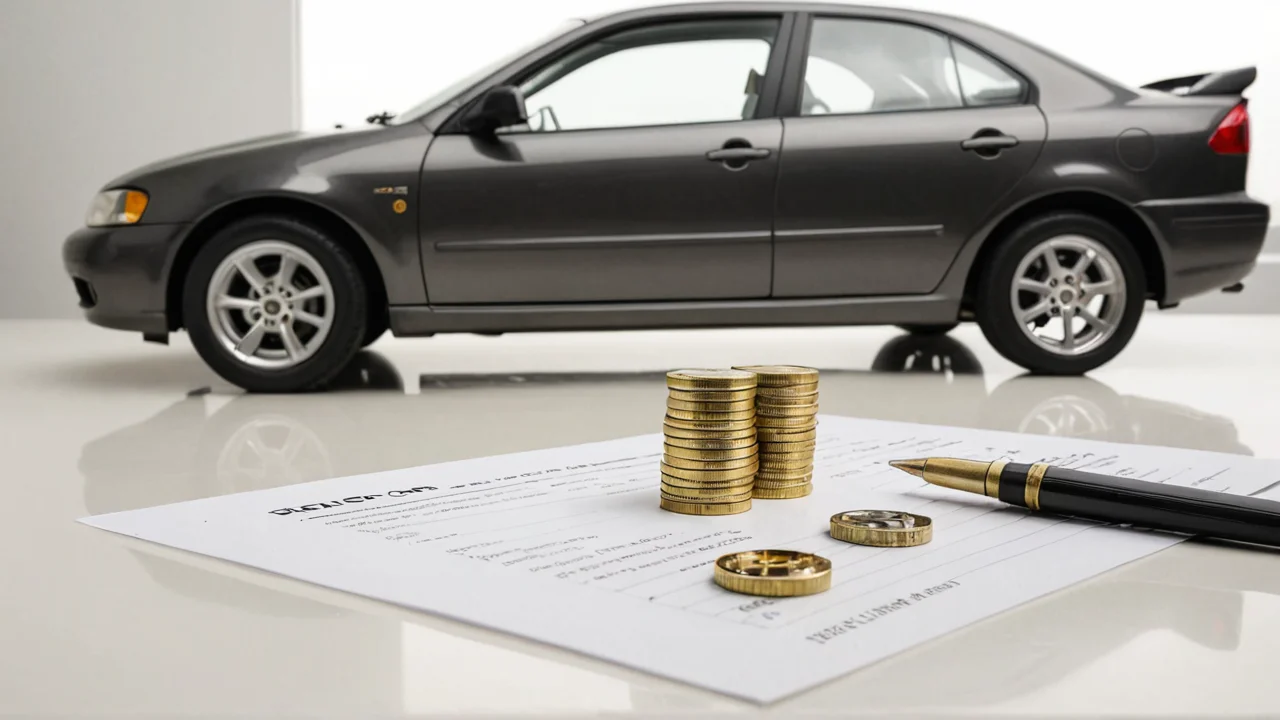
Decide how you will pay before you decide what to buy, because the payment method changes which cars make sense. Cash purchase avoids interest and keeps you free of a lender's requirements, but ties up capital and limits you to what you can afford outright. A loan spreads the cost and lets you buy more car than your cash allows, at the price of interest and, often, a requirement to carry certain insurance coverages until the loan is paid. A lease lowers the monthly outlay and keeps you in a newer car under warranty, but you are paying for depreciation during the term, you face mileage limits and wear charges at turn-in, and you build no equity.
The used-versus-new question is really a question about who absorbs depreciation and who absorbs repair risk. A new car puts the early depreciation and the repair risk on the manufacturer's warranty; a used car shifts both to you in exchange for a lower price. The crossover point depends on how long you keep the car and how much of the maintenance history you can verify. A used car with complete service records and a pre-purchase inspection by an independent mechanic is a different proposition from one sold as-is with no history.
Leasing is the wrong choice if you drive far more than the contract allows, if you tend to keep cars for many years, or if you modify them. A loan is the wrong choice if the term stretches past the point where the car's value falls below the remaining balance — you end up owing more than the car is worth, which traps you if you need to sell. Cash is the wrong choice if it drains the reserve you need for maintenance and emergencies; a car fund that leaves you unable to pay for tires is not a saving.
Whatever the method, get the out-the-door number in writing before you discuss monthly payments. Dealers negotiate on monthly figures because that lets them stretch the term and hide the total. Ask for the price of the car, the fees, the taxes, and the interest rate separately, and compare the total cost of credit across at least two lenders, including your own bank or credit union.
Insurance: buy the coverage the car and the lender actually require
Insurance is priced on the car, the driver, the location, and the coverage limits, so the same policy costs very different amounts for two people with identical cars. The decision has three parts: which coverages to carry, what limits to set, and what deductible to accept. Liability coverage pays for damage you cause to others and is the part you should not skimp on, because a serious injury claim can exceed a low limit and follow you personally. Collision and comprehensive pay for damage to your own car; they are worth carrying while the car is valuable and while a lender requires them, and they become a poor deal once the premium approaches the car's value.
The deductible is the trade you make every claim: a higher deductible lowers the premium but means you pay more out of pocket before coverage starts. The right level is the largest amount you could pay tomorrow without borrowing. Gap coverage matters when you finance a car with a small down payment, because it pays the difference between what the insurer says the car is worth and what you still owe if the car is totaled. It is unnecessary once the loan balance falls below the car's value.
Shop before you buy the car, not after. Premiums vary enough between companies that the same coverage can differ substantially, and the quote depends on the exact trim, the safety features, and the repair cost of the specific model. A car that is expensive to repair carries higher collision and comprehensive premiums for as long as you carry those coverages. What this costs: an afternoon of quotes and a higher premium for better limits. It is the wrong moment to economize on liability limits to afford a nicer car — the coverage follows the risk, not the monthly budget.
Maintenance: the placard and the schedule are the two documents that matter
Tire pressure is the maintenance item owners get wrong most often, and the fix is simple: check it monthly and before long trips, and set it to the figure on the vehicle placard, not the number molded on the tire sidewall. The placard figure is the manufacturer's recommendation for that car with its original equipment; the sidewall number is the tire's maximum. NHTSA says inflation pressure is measured in pounds per square inch (psi) and listed on the vehicle's tire information placard or in the owner's manual. Underinflation raises rolling resistance, heats the tire, and wears the shoulders; overinflation wears the center and reduces grip. A tire gauge in the glovebox and a monthly check prevents most of it.
Beyond tires, the maintenance schedule in the owner's manual is the authority, and the severe-service column is the one most drivers should follow. Short trips, stop-and-go traffic, extreme temperatures, and towing all count as severe use, and the intervals for oil, transmission fluid, brake fluid, and filters shorten accordingly. Fluids degrade with time as well as mileage, so a low-mileage car that sits for months still needs brake fluid and coolant service on schedule. Skipping them is cheap now and expensive later: neglected brake fluid absorbs moisture and corrodes the calipers; neglected coolant turns acidic and eats the radiator and heater core.
Keep records. A folder of receipts and a log of services does two things — it tells you what is actually due, and it raises the resale value because a buyer can verify the history. Do the easy checks yourself: tire pressure, fluid levels, wiper blades, and bulbs. Pay a shop for anything that needs a lift or a diagnostic tool. What this costs: a small amount of time each month and the price of scheduled services. The trade-off is real — following the severe schedule costs more per year than following the normal one — but it is cheaper than the repairs that follow neglect.
Repair or replace: decide with the car's value, not its repair bill
The repair-or-replace decision is a comparison, not a feeling. The question is not whether the repair is expensive in isolation but whether it is expensive relative to the car's value and to the cost of replacing the car with something equivalent. A repair that costs a large fraction of the car's market value is a warning sign; the same repair on a car worth much more is routine. Get the car's value from a used-price guide and a couple of local listings for the same model, year, and mileage, and get the repair estimate in writing with parts and labor separated.
Then consider what the repair buys. A transmission or engine replacement resets a major component and can be worth it on a car that is otherwise sound, well-maintained, and not rusting. A repair that fixes one failure on a car with several deferred items is throwing money at a losing position. Rust is the usual deciding factor: structural rust cannot be economically reversed, and once it reaches the subframe or rocker panels the car is on borrowed time regardless of how well the engine runs. Safety systems and airbags are another line — a car with a deployed airbag and a bent structure is rarely worth rebuilding.
The wrong move is to repair a car you have already decided to sell, or to keep a car because you have spent money on it. Past spending is sunk; the decision is about future cost against future value. The other wrong move is to replace a car over a single large bill when the alternative is a payment on a newer car for years. Run both numbers over the same horizon — the repair plus expected maintenance versus the purchase price, financing cost, insurance increase, and higher registration or tax on a replacement.
Selling and the end of ownership: timing, disclosure, and paperwork
Sell before the car's value falls off a cliff, and sell while it still passes inspection and runs reliably. The best time is usually while the car is still in demand, the maintenance is current, and you have records to show. Waiting until a major service is due means the next owner discounts the price by more than the service would have cost you. Waiting until something breaks means selling a car that does not start, which cuts the buyer pool to dealers and scrappers.
Decide between a private sale and a trade-in on the numbers, not the convenience. A private sale usually nets more because you cut out the dealer's margin, but it costs you time, listing effort, test drives, and the risk of a fraudulent payment. A trade-in is faster and sometimes reduces the sales tax on the new car, which can narrow the gap. Get a written offer from a dealer or an online buyer before you list privately so you know your floor.
Disclose what you know. A private sale with a known problem that the buyer discovers later is a dispute at best and a legal problem at worst; states differ on whether used cars are sold as-is and what must be disclosed. Have the title in hand and free of liens, complete the bill of sale, and handle the transfer of registration and plates according to your state's rules. Remove your personal data from the infotainment system and any connected services before handing over the keys. What this costs: the effort of a private sale and the price concession of honest disclosure. It is the wrong approach to hide a known defect to protect the price — the money you gain is smaller than the trouble it buys.
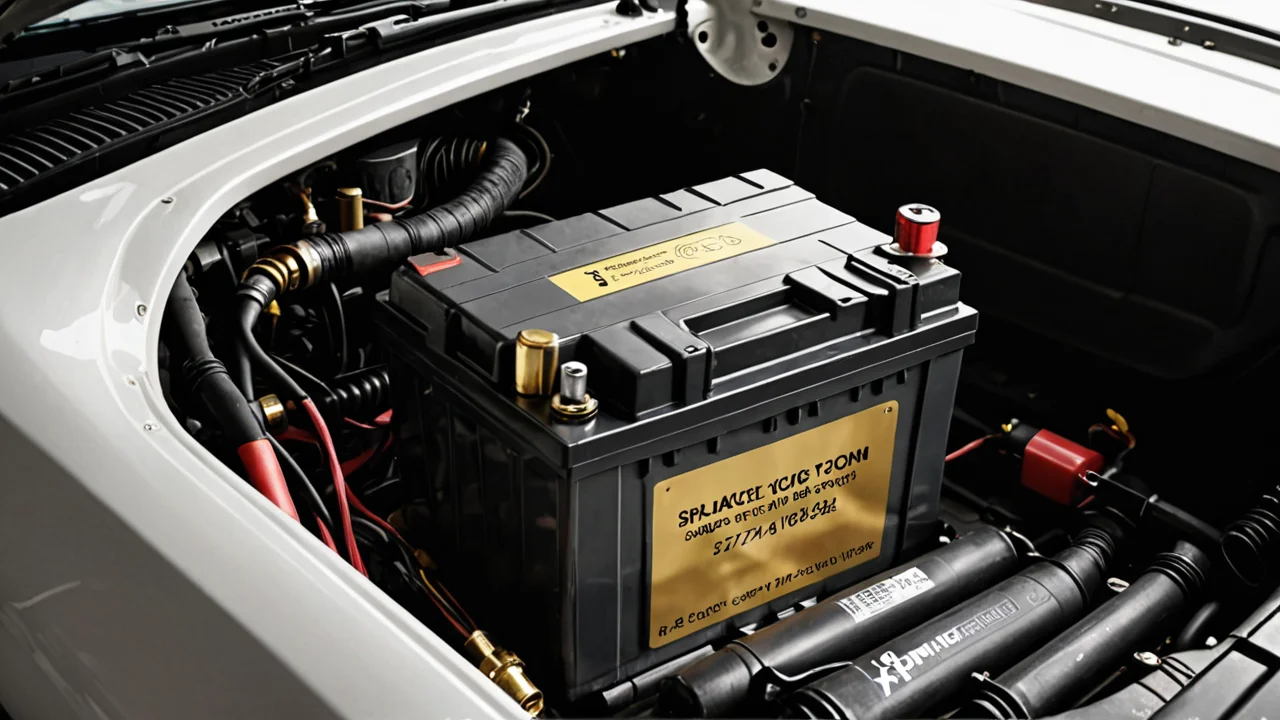
The last ownership decision is the one owners most often skip: the reserve. A car account that covers tires, a battery, brakes, and one unexpected repair turns every later decision from a crisis into a choice. The placard in the door jamb, the maintenance schedule in the glovebox, and a folder of receipts are the whole system — they tell you what the car needs, when it needs it, and what it is worth, which is the basis for every decision above.